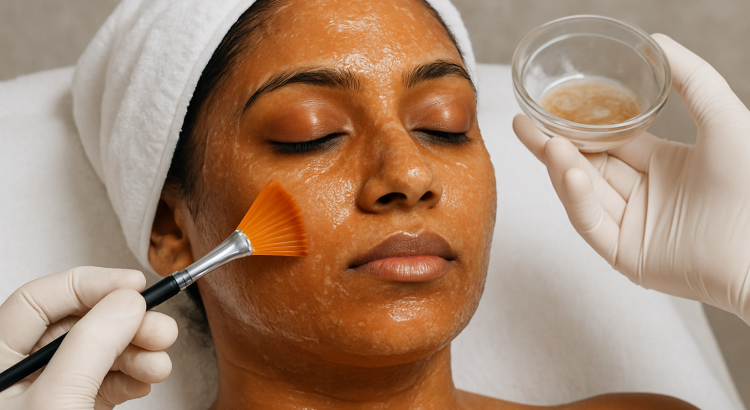
Summer in Washington, DC brings longer days, outdoor events, travel, and increased sun exposure. It also brings a common question for patients interested in brighter, smoother, more even-toned skin: Can I safely get a chemical peel during the summer?
The answer is often yes—but only when the peel is carefully selected, your skin is properly prepared, and post-treatment sun protection is taken seriously. This is especially important for patients with darker skin tones, who may have a greater risk of post-inflammatory hyperpigmentation when treatment is too aggressive or poorly supervised.
Are Chemical Peels Safe During Summer?
Chemical peels can be performed during summer, but not every peel is appropriate for every patient or every season. The safest plan depends on your skin tone, treatment goals, current sun exposure, medications, prior reactions, and ability to follow aftercare instructions.
Superficial peels are often the preferred option during warmer months because they generally involve less downtime and a lower risk of prolonged inflammation than deeper peels. A physician-led consultation helps determine whether your skin is a good candidate now or whether treatment should be postponed until sun exposure can be better controlled.
Why Summer Chemical Peels Require Extra Caution for Darker Skin
Melanin-rich skin can respond beautifully to chemical peels, particularly when treating uneven tone, acne-related discoloration, dullness, and texture. However, darker skin may also be more prone to developing excess pigment after irritation or inflammation.
That risk can increase when freshly treated skin is exposed to ultraviolet light, heat, friction, or harsh products. The goal is not simply to choose a “gentle” peel. It is to select the right acid, concentration, contact time, treatment depth, pretreatment regimen, and recovery plan for your individual skin.
At AnewSkin MedSpa, treatment planning is guided by a physician-led approach that prioritizes controlled results rather than aggressive peeling.
What Skin Concerns Can Summer Peels Address?
- Post-acne marks and uneven pigmentation
- Dull or rough skin texture
- Mild sun-related discoloration
- Congested pores and acne-prone skin
- Fine surface lines
- Uneven tone on the face, neck, chest, or selected body areas
Patients with melasma, recent tanning, active irritation, open skin, or significant upcoming sun exposure may need a modified plan or delayed treatment.
Which Chemical Peels Are Commonly Considered for Darker Skin?
The best peel is determined by your skin—not by a one-size-fits-all menu. Depending on your goals and tolerance, a clinician may consider carefully selected superficial peels using ingredients such as lactic acid, mandelic acid, glycolic acid, salicylic acid, or blended formulations.
For darker skin tones, conservative treatment depth is often more important than chasing dramatic visible peeling. A successful peel may produce only mild flaking while still improving clarity, texture, and tone over a series of treatments.
How to Prepare for a Summer Chemical Peel
Preparation may begin days or weeks before treatment. Your provider may recommend pausing retinoids, exfoliating acids, scrubs, waxing, or other irritating products. Some patients benefit from a pigment-control regimen before treatment, especially when there is a history of hyperpigmentation.
Tell your provider about prescription medications, cold sores, recent procedures, active breakouts, pregnancy, breastfeeding, and any history of abnormal scarring or pigment changes.
Aftercare: The Most Important Part of a Summer Peel
Aftercare directly affects your outcome. Freshly exfoliated skin is more vulnerable to irritation and discoloration, so strict protection is essential.
- Apply broad-spectrum sunscreen every morning and reapply as directed.
- Use hats and shade when outdoors.
- Avoid intentional tanning and prolonged direct sun exposure.
- Do not pick, scrub, or peel flaking skin.
- Use only the gentle cleanser and moisturizer recommended by your provider.
- Pause retinoids, acids, and exfoliants until cleared to restart.
- Avoid excessive heat, steam rooms, and intense exercise during the early recovery period when advised.
If you have a beach trip, outdoor festival, or prolonged travel planned, schedule your consultation before booking the peel. Timing may need to be adjusted.
Chemical Peel vs. Laser Treatment in Summer
Chemical peels and laser treatments can both improve discoloration and texture, but they work differently and carry different seasonal considerations. The better option depends on the diagnosis, skin tone, treatment area, downtime tolerance, and degree of sun exposure.
For hair reduction, laser treatment must also be selected carefully for melanin-rich skin. Learn more in our guide to laser hair removal for dark skin in Washington, DC and our comparison of IPL versus true laser technology for darker skin.
Why Choose a Physician-Led MedSpa for Chemical Peels?
A chemical peel is a controlled skin injury. Safe treatment requires more than choosing an acid from a menu. A trained provider must evaluate your skin, identify the likely cause of discoloration, recognize contraindications, select an appropriate treatment depth, and manage complications if they occur.
This is particularly important for darker skin tones, where overly aggressive treatment can worsen the very discoloration the patient hoped to improve.
For additional guidance, read our overview of chemical peels in Washington, DC, our guide to chemical peels for hyperpigmentation, and what to expect during chemical peel recovery.
Frequently Asked Questions
Can I get a chemical peel if I have dark skin?
Yes. Many darker-skinned patients are good candidates for properly selected superficial chemical peels. The treatment should be customized to reduce inflammation and the risk of post-inflammatory hyperpigmentation.
How long should I avoid the sun after a chemical peel?
You should minimize direct sun exposure throughout recovery and maintain daily broad-spectrum sunscreen afterward. The exact period depends on the peel depth and your provider’s instructions.
Will my skin visibly peel?
Not always. Some effective superficial peels cause only mild dryness or flaking. The amount of visible peeling does not necessarily determine the quality of the result.
Can a chemical peel make hyperpigmentation worse?
It can if the treatment is too aggressive, the skin is not properly prepared, or aftercare is inadequate. Careful patient selection and strict sun protection help reduce this risk.
How many chemical peels will I need?
Many concerns respond best to a series rather than one aggressive treatment. Your plan will depend on the condition being treated, peel type, skin response, and home-care routine.
Book a Chemical Peel Consultation in Washington, DC
Summer does not automatically rule out a chemical peel. The key is choosing the right treatment, at the right depth, with the right precautions for your skin tone and lifestyle.
Book your consultation with AnewSkin MedSpa to receive a personalized, physician-led treatment plan for discoloration, acne marks, texture, and uneven skin tone.