As summer winds down in Washington, DC, many people begin planning for cooler weather, holiday events, and next year’s warm-weather wardrobe. Fall is also one of the most strategic times to begin laser hair removal.
Because laser hair removal works over a series of treatments—and because sun exposure must be managed carefully—starting in fall gives you time to complete multiple sessions before the following summer. It can also make treatment planning easier for patients with darker skin tones, who benefit from thoughtful laser selection, conservative settings, and close attention to pigmentation risk.
Why Fall Is an Ideal Season for Laser Hair Removal
Laser hair removal targets pigment within actively growing hair follicles. Since not every hair is in the active growth phase at the same time, treatment must be repeated at carefully spaced intervals.
Beginning in fall offers several practical advantages:
- There is enough time to complete several sessions before spring and summer.
- Covered clothing can make treated areas easier to protect from sunlight.
- Patients are less likely to arrive with a recent tan.
- Cooler weather may make post-treatment warmth or sensitivity easier to manage.
- A structured fall start helps patients stay consistent with the full treatment series.
How Long Does Laser Hair Removal Take?
Most patients need a series of treatments because laser energy is most effective when the hair is in its active growth phase. The number and spacing of sessions depend on the treatment area, hair density, hormonal influences, skin tone, laser type, and individual response.
Facial areas may require more frequent sessions than the legs, back, or bikini area. Hormone-sensitive areas may also need maintenance treatments after the initial series.
Starting in September, October, or November often allows patients to complete a meaningful portion of their treatment plan before the next summer season. For a deeper overview, read our guide on how many laser hair removal sessions you may need.
Why Sun Exposure Matters
Recent tanning can increase the amount of pigment in the skin. That can make laser treatment more challenging because the device must distinguish between pigment in the hair follicle and pigment in the surrounding skin.
Patients are generally advised to avoid tanning and minimize direct sun exposure before and after treatment. Fall makes this easier because daylight hours shorten and common treatment areas are more often covered by clothing.
Daily broad-spectrum sunscreen remains important year-round, including during fall and winter. Sun protection is especially important for facial laser hair removal and for patients prone to hyperpigmentation.
Is Laser Hair Removal Safe for Darker Skin Tones?
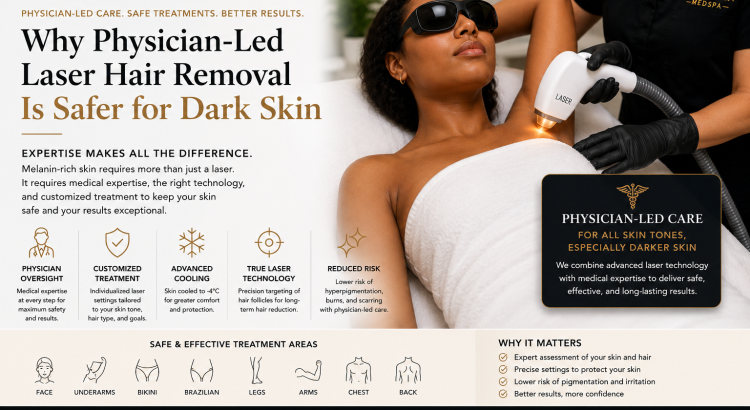
Yes—when the correct technology, settings, cooling, and treatment technique are used. Darker skin contains more melanin, which means the provider must use a device and treatment strategy designed to target the follicle while protecting the surrounding skin.
Not all light-based hair removal devices are equally appropriate for melanin-rich skin. True laser technology, careful wavelength selection, appropriate pulse duration, conservative energy adjustments, and effective cooling can all influence safety.
At AnewSkin MedSpa, laser hair removal is approached as a medical treatment rather than a one-size-fits-all cosmetic service. Skin tone, recent sun exposure, hair characteristics, medication history, prior reactions, and the treatment area are evaluated before settings are selected.
Learn more in our guides to laser hair removal for dark skin in Washington, DC and IPL versus true laser technology for darker skin.
Why Physician-Led Treatment Matters
Laser hair removal involves delivering controlled energy into the skin. A qualified provider should be able to recognize conditions that increase risk, distinguish normal treatment responses from complications, and modify the plan when the skin is not responding as expected.
This becomes particularly important for patients with darker skin tones or a history of post-inflammatory hyperpigmentation. Excessive energy, overlapping passes, recent tanning, poor cooling, or inappropriate device selection can increase the risk of burns, blistering, or pigment changes.
A physician-led approach supports individualized evaluation, careful treatment parameters, and appropriate follow-up if irritation or discoloration occurs.
Which Areas Should You Start Treating in Fall?
Fall is a good time to begin treatment on areas that patients commonly want ready for warmer weather, including:
- Bikini and Brazilian areas
- Underarms
- Lower legs and full legs
- Back and shoulders
- Chest and abdomen
- Chin, upper lip, jawline, and neck
The best starting area depends on your goals, hair growth pattern, skin sensitivity, and budget. Patients treating several areas may prefer a phased plan that prioritizes the areas most affected by ingrown hairs, irritation, or frequent shaving.
For additional planning, review our article on the best areas for laser hair removal.
How to Prepare for Your First Appointment
- Avoid waxing, threading, or plucking before treatment because the follicle must remain present.
- Shave the treatment area according to your provider’s instructions.
- Avoid tanning and disclose recent sun exposure.
- Tell your provider about medications, retinoids, antibiotics, and skin-care products.
- Do not apply self-tanner to the treatment area.
- Arrive with clean skin free of deodorant, lotion, fragrance, or makeup when instructed.
Your consultation should also include a discussion of expected results, treatment intervals, maintenance needs, and the possibility of paradoxical hair stimulation in certain facial or hormone-sensitive areas.
What Results Can You Expect by Summer?
Patients who start in fall may notice progressively slower regrowth, finer hair, fewer ingrown hairs, and less frequent shaving as the series continues. Results vary, and laser hair removal should be understood as long-term hair reduction rather than a guarantee that every hair will disappear permanently.
Hormonal conditions, medications, age, hair color, and the treatment area can all affect response. Consistency is one of the most important factors, which is why starting months before your target season is so helpful.
Frequently Asked Questions
What month is best to start laser hair removal?
September through November is an excellent window for many patients because it allows time for multiple treatments before summer and usually makes sun avoidance easier.
Can I start laser hair removal in winter instead?
Yes. Winter is also a good time to begin, particularly for areas covered by clothing. Starting in fall simply provides additional time to complete more sessions before warm weather returns.
Can darker skin be treated safely with laser hair removal?
Yes, provided the device and settings are appropriate for the patient’s skin tone. A provider experienced in treating melanin-rich skin should evaluate the skin before treatment and adjust parameters conservatively.
Should I stop shaving between sessions?
No. Shaving is generally permitted between treatments. Waxing, threading, tweezing, and plucking should usually be avoided because they remove the follicle target.
Will laser hair removal help with ingrown hairs?
Reducing coarse hair growth can decrease shaving-related irritation and ingrown hairs for many patients. Results depend on the cause of the bumps and the treatment area.
Start Your Laser Hair Removal Plan in Washington, DC
Fall gives you a valuable head start. By beginning now, you can complete several treatments before summer, reduce the pressure to rush your series, and make sun protection easier throughout the process.
Book your consultation at AnewSkin MedSpa for a customized, physician-led laser hair removal plan designed around your skin tone, hair pattern, treatment goals, and schedule.